
Following a heart healthy diet can help prevent and manage high cholesterol. There are simple foods that lower cholesterol naturally. Foods with soluble fiber, polyunsaturated fats or plant sterols help lower cholesterol in various ways. Kale, blackberries, peanuts, oats and chia seeds are some of the foods that lower cholesterol naturally. Read on to see what other foods you can add to your diet to support heart healthy eating.
What is Cholesterol?
Cholesterol is a fat-like substance found in all cells in the human body. Too much cholesterol can negatively affect your health.
Types of Cholesterol
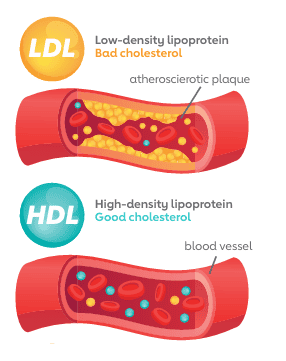
There are two types of cholesterol – dietary cholesterol and blood cholesterol. Dietary cholesterol comes from foods and beverages of animal origin. Blood cholesterol is made by the liver. Blood cholesterol contains fats and lipoproteins, most seen on your lipid panel blood work.
Low density lipoprotein or LDL is considered the “bad” cholesterol. Elevated LDL causes a buildup of cholesterol in the body.
Lastly, high density lipoprotein or HDL is considered the “good” cholesterol because it sends cholesterol to the liver where it can be removed from the body.
Cholesterol and Heart Health
Elevated cholesterol levels lead to plaque buildup in the arteries which can eventually cause a heart attack or stroke. Keeping LDL low and HDL high can help lower your heart disease risk. Talk to your healthcare provider to get a lipid profile and find out your levels!
Best Foods to Lower Cholesterol
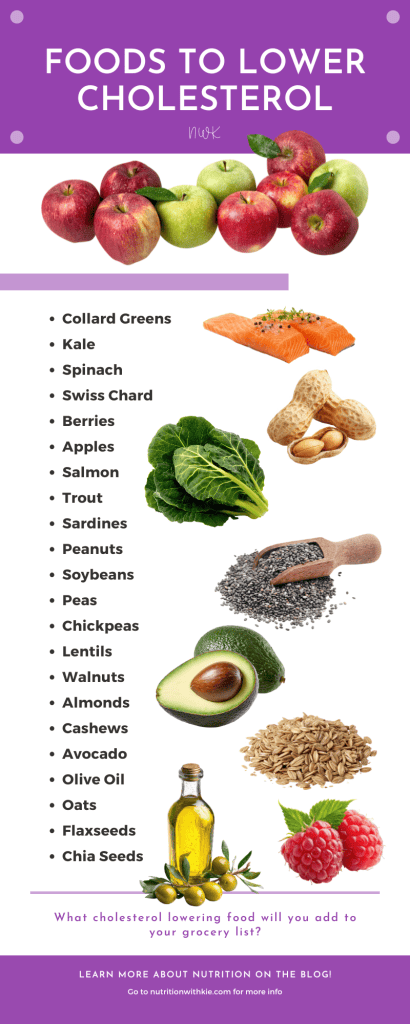
There are simple foods that lower cholesterol naturally.
- Leafy Greens. Collard greens, kale, spinach and Swiss chard contain plant sterols and stanols that bind to cholesterol, affecting its absorption. Additionally, leafy greens are a good source of fiber, vitamins, minerals and polyphenols that function in health promotion and disease prevention.
- Berries. Blackberries, blueberries, raspberries and strawberries are rich in fiber and antioxidants. Consuming berries has a positive effect on cardiovascular disease risk factors. Eating a variety of berries reduces triglycerides, LDL cholesterol, total cholesterol and blood pressure while increasing HDL cholesterol (1).
- Apples. Like leafy greens, apples are rich in fiber and polyphenols. Apples contain a specific type of fiber known as soluble fiber which reduces cholesterol absorption in the body. Polyphenols help reduce inflammation. A randomized controlled study found eating two whole apples per day decreased total cholesterol and LDL cholesterol without an effect on HDL cholesterol (2). With over 7,000 varieties of apples worldwide there’s no way you can’t fit an apple into your day! Check out Have a Plant for ten ways to enjoy apples.
- Oily fish. Increased consumption of fish and seafood is important to a varied and healthy diet. Oily fish such as salmon, tuna, trout and sardines are rich in omega-3 fatty acids that help increase HDL cholesterol. Eating more fatty fish helps reduce the risk of high blood pressure, heart disease and metabolic syndrome.
- Legumes. Legumes include soybeans, peanuts, green beans and peas, chickpeas and lentils. The fiber found in legumes binds to cholesterol. Incorporating legumes into your diet is good for not just lowering cholesterol but good for digestive health, heart health, blood sugar control and planetary health! Try legume-based pasta, add in stews or soups or blend with olive oil for a dip.
- Nuts. With their high concentration of unsaturated fatty acids as well as fiber and polyphenols, nuts have a cholesterol lowering effect. Nuts specifically walnuts, almonds, cashews, peanuts and pistachios have shown to decrease total cholesterol, LDL cholesterol and triglycerides (3).
- Avocado. Avocados are rich in monounsaturated fatty acids which have a favorable effect on lipid profiles. Avocado consumption reduces triglycerides, total cholesterol and LDL cholesterol (4). More than just guacamole or a spread for toast, avocados can be crisped up into fries, pickled or used as an edible bowl.
More Foods to Lower Cholesterol
- Olive Oil. A major staple in the Mediterranean diet, olive oil is rich in monounsaturated fats and antioxidants known as polyphenols. Olive oil has several heart healthy benefits. Olive oil increases HDL cholesterol whilst lowering total cholesterol, LDL cholesterol and triglycerides more than other plant oils (5).
- Chia Seeds. Chia seeds are a nutritional powerhouse containing polyunsaturated fats, protein, fiber and other bioactive compounds. A study found that chia seed consumption lowers triglycerides, total cholesterol and LDL cholesterol and increases HDL cholesterol (6).
- Oats. Oats contain soluble fiber in the form of beta glucan. According to the FDA, consumption of at least 3 grams per day of beta glucan is attributed to lower cardiovascular risk. Eating oat products has been linked to reduction in total cholesterol and LDL cholesterol with an increase in HDL cholesterol (7).
- Flaxseeds. Flaxseed is one of the most widely used herbal medicines because it’s a good source of linolenic acid, phenolic compounds, phytoestrogen and high-quality protein and fiber. Flaxseeds may delay the progression of heart disease by improving total cholesterol, triglycerides and LDL cholesterol (8). More research is needed on the appropriate dosage for treatment of high cholesterol and lowering heart disease risk.
Dietitian Tips for Heart Health
Beyond adding cholesterol lowering foods to your meal pattern, other lifestyle habits are important for heart health.
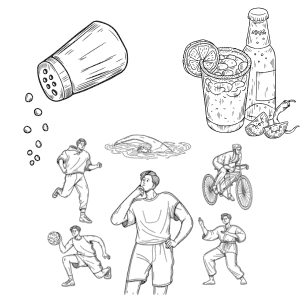
Limit sodium. Choose foods with less sodium and prepare foods with little or no salt. Reduce intake to less than 2,400 milligrams of sodium per day. Read this blog for more sodium reducing tips.
Limit alcohol. Alcohol is a risk factor for heart disease. Drink alcohol in moderation that means 1 drink per day for women and 2 drinks for men. An alcoholic beverage is 12 ounces of beer, 5 ounces of wine or 1.5 ounces of distilled spirits.
Watch your fats. Replace foods high in saturated fats and trans fats with those with unsaturated fats. Making this replacement can help lower LDL cholesterol.
Get active. A sedentary lifestyle is a risk factor for heart disease. Being physically active helps you maintain a healthy weight which helps raise your HDL cholesterol. For ways to get more activity into your day check out this blog post.
Lower Your Cholesterol Through Food
In summary, a nutrient dense diet rich in fiber, unsaturated fats and omega-3 fatty acids can significantly help manage high cholesterol. Cholesterol lowering foods range from salmon and oats to flaxseeds and berries. Lowering cholesterol is important for heart health. Furthermore, limiting salt, alcohol, fats and being physically active are also important for heart health. Sign up for the newsletter to get more health-related tips and blogs directly to your email!