

In a world where stress and anxiety are commonplace, mental wellbeing becomes increasingly important. There is growing evidence that your food choices can affect your mental and emotional health. What you eat directly affects the structure and function of your brain and your mood. A balanced diet plays an important role in behavior, thinking, memory, and emotions. Read on to see what good mood foods you should be incorporating into your diet.
Diet and Mental Health
Many factors contribute to mental health such as stress, sleep, relationships, physical activity, and environment. Another contributing factor may be diet. Emerging science shows a connection between dietary choices and mental health.
The gut-brain connection, nutrients impact on mood and effects of inflammation are three major areas of research in understanding the science behind good mood foods. There are direct and indirect connections between the gut and brain. Improved physical and mental health is associated with a healthier gut microbiome.
Diets high in refined grains, red meat, and sugar-sweetened beverages increase the risk of developing depression as these foods increase inflammation (1). Diet can influence mental health through several mechanisms. Mental illness is the leading cause of disability worldwide therefore all strategies should be explored to prevent and treat mental disorders.
Nutrients in Good Mood Foods
Eating high quality foods with a variety of healthy nutrients is needed to help your brain function and boost your mood.
Omega-3 Fatty Acids
Salmon, oysters, flax seeds, olive oil, and avocados contain omega-3 fatty acids. Eating more fish could reduce the risk of depression, especially in women (2). Research suggests that omega-3 fatty acids can reduce the stress hormones: adrenaline and cortisol (3). Furthermore, omega-3’s are vital for central nervous system functioning (1).
Antioxidants and Flavonoids
Antioxidants protect your body from free radicals, which are molecules linked to cancer and other diseases. Berries, dark leafy greens, dark chocolate, spices, and tea contain antioxidants.
Vitamin C is an antioxidant that plays a role in stress response and improves mood (3). Oranges, tomatoes, peppers, grapefruit, and broccoli are good sources of vitamin C. Research shows increased fruit and vegetable intake is associated with decreased risk of depression and overall better health (2).
Flavonoids are another compound that may have anti-anxiety properties. Many teas such as green tea and chamomile tea contain flavonoids such as theanine, that can relieve stress and induce relaxation (4). Read the tea blog for more benefits of adding tea to your diet. Citrus fruits, berries, red wine, and legumes contain flavonoids.
Probiotics
Probiotics increase levels of serotonin, an important neurotransmitter in regulating mood. Serotonin is produced in the gut and is involved in regulating sleep, appetite, mood, and pain (5). Probiotics are a good bacterium that is found in fermented foods such as kimchi, sauerkraut, yogurt, kombucha and tempeh. Increasing the good bacteria in your gut is not only good for your brain health but overall health!
Fiber
High fiber foods such as quinoa, brown rice, whole grain bread, legumes, and oats can support your emotional health. Fiber has a stabilizing effect; it helps you avoid the crash after a blood sugar spike. Also, high fiber foods have B vitamins which can help with stress and anxiety. Vitamin B12 deficiency is associated with severe depression therefore increasing folic acid and B12 could reduce depression risk (2). Meat, poultry, eggs, and fortified cereals are good sources of vitamin B12.
Vitamin D
Vitamin D contributes to brain health by protecting the brain from using up all the dopamine and serotonin, two important neurotransmitters involved in mood (2). Deficiency is associated with increased risk of depression, especially in adolescents (2). Vitamin D is found in fatty fish, egg yolks, mushrooms, and fortified products such as milk and plant milk alternatives.
Other Important Nutrients
Other nutrients associated with mood are Zinc and Magnesium. Deficiencies in zinc have been linked to anxiety while magnesium helps improve mood and anxiety symptoms (3). Nuts and seeds are good sources of both nutrients.
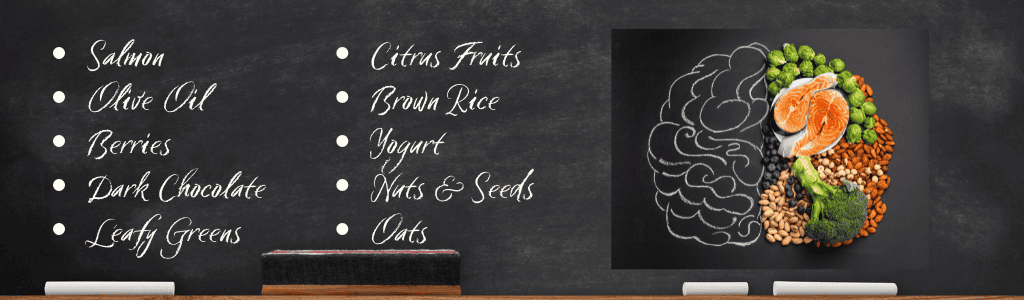
Eating for Better Mental Health
Diet and nutrition can play an important role in mood and mental health. By incorporating foods rich in essential fatty acids, antioxidants, fiber, probiotics, and vitamins we can nourish not only our bodies but our minds! There is no single nutrient or food to improve mental health but incorporating more mood-boosting ingredients has favorable outcomes in the short term and long term. Add more good mood foods into your diet today!