

May is High Blood Pressure Education Month, a time dedicated to raising awareness about the most common yet preventable health conditions. Known as the “silent killer” due to its lack of symptoms, high blood pressure or hypertension affects nearly half of adults in the United States. Fortunately, nutrition is one of the most effective ways to prevent and manage high blood pressure. Read on to see how diet can support heart health and diet and lifestyle tips to manage blood pressure.
Understanding High Blood Pressure
High blood pressure or hypertension occurs when the force of blood pushing against your arteries is consistently too high. Over time this can lead to serious health conditions such as heart attack, stroke and kidney disease.
Hypertension often goes undiagnosed, making education and early intervention critical. There are no symptoms of high blood pressure therefore a simple blood pressure check at your physician’s office can let you know your numbers.
Even if high blood pressure runs in your family, lifestyle and dietary changes can have a powerful impact on blood pressure management. Medication is not the only solution.
Dietary Tips for Managing Blood Pressure
Proper nutrition plays a central role in blood pressure management. Excess sodium, low potassium and lack of essential nutrients all contribute to hypertension.
Follow DASH Diet
The Dietary Approaches to Stop Hypertension (DASH) is specifically designed to lower blood pressure and emphasizes the following foods: fruits and vegetables, whole grains, lean protein, low-fat dairy and nuts and seeds. The eating plan also limits foods high in saturated fat, tropical oils and sugar-sweetened sweets and beverages.
Limit Sodium
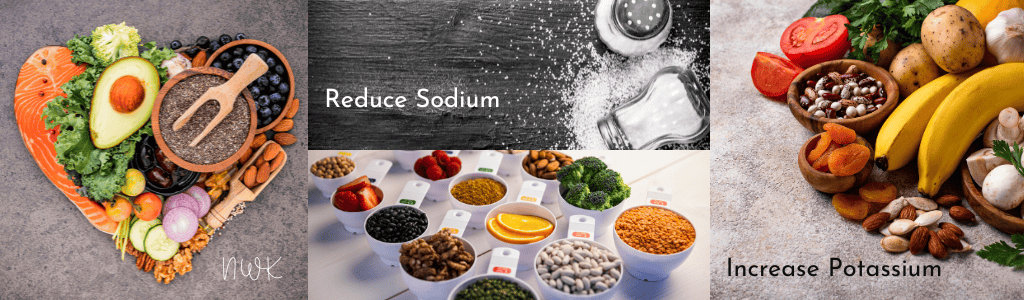
Sodium should be limited to 2,300mg or less per day (1). Minimize intake of processed and packaged foods, cook at home more often, limit cured foods, choose lower sodium or no-added salt products, and use herbs and spices instead of salt.
Eating away from home means larger portions which in turn means more sodium. Choose lunch portions, swap potatoes and rice for extra vegetables, ask for sauces, dips and gravy on the side, order fruit or request your meal be prepared without salt.
Increase Potassium Rich Foods
Potassium is a mineral that helps balance sodium levels. Potassium is found in more than just bananas, other sources include dried apricots, lentils, raisins, potatoes, spinach, salmon and Greek yogurt. A banana contains 9% of the daily value for potassium whereas ½ cup raisins and 1 cup lentils contain 13 and 16 percent respectively (2).
Eat More Whole Foods
Whole, unprocessed foods contain more nutrients and less sodium. Swap canned vegetables for fresh or frozen, sugary snacks for fruits or nuts, and swap take out for home cooked meals. Unsalted nuts are a source of antioxidants that may reduce damage to blood vessels.
Control Portion Sizes
Choose snack size, mini or portion-controlled foods. Overeating can lead to weight gain which raises blood pressure. Practice eating slower and recognizing hunger and fullness cues to avoid overeating. Chew your food at least 20 times and put down your utensil between bites. It takes 20 minutes for your brain to recognize fullness!
Lifestyle Tips to Manage Blood Pressure
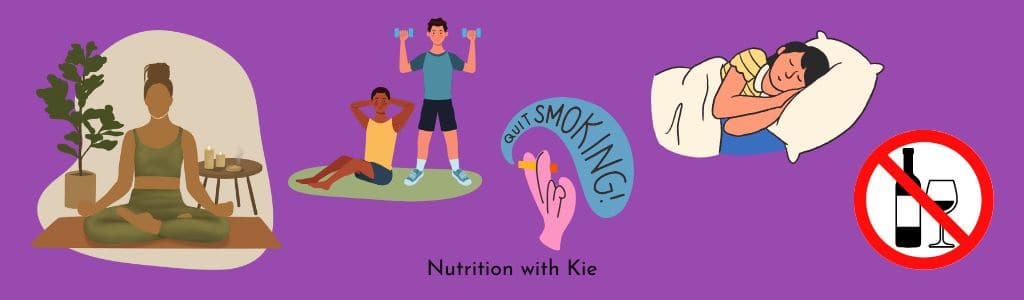
In addition to dietary changes, there are lifestyle habits that support healthy blood pressure including physical activity, stress management and sleep.
Get Active
Physical activity promotes heart health and helps you achieve overall fitness. Aerobic and strengthening exercises help improve blood pressure and may increase levels of HDL or “good” cholesterol. Exercise can control blood pressure, weight, stress and cholesterol. Aim for 150 minutes of activity per week. Check out this activity blog for more ways to get active.
Manage Stress
Stress negatively affects the body and long-term health. Stress contributes to risk factors of heart disease such as poor diet and overuse of alcohol. Managing stress may include physical activity, sitting quietly, deep breathing, talking with friends, practicing gratitude or volunteering.
Say No to Alcohol & Tobacco
Limit alcoholic beverages to one drink per day for women and two for men. One drink is equivalent to 12-ounce beer, 5 ounces of wine or 1.5 ounces of 80-proof liquor. Even though red wine is considered heart healthy, it cannot reverse high blood pressure and is not a miracle drink for heart health.
Smoking is a preventable risk factor for hypertension. Tobacco damages blood vessels and raises blood pressure. Quitting smoking lowers heart rate, lowers blood pressure and improves circulation.
Sleep Better
Adults need 7 – 9 hours of quality sleep per night to support overall health. Over 70 million adults in the United States are sleep deprived! Poor sleep duration and poor sleep quality is significantly associated with poor blood pressure management (3).
Better sleep quality includes removing light sources, not eating or drinking two hours prior to bed, maintaining a consistent sleep-wake schedule and avoiding stressors prior to bed.
On the Way to Lower Blood Pressure
Managing high blood pressure starts with small, intentional changes – and your diet is a powerful place to begin. Incorporate more heart-healthy meals and snacks into your diet, eat more meals at home, choose higher potassium foods and swap processed snacks for whole food snacks. This High Blood Pressure Education Month, commit to one or two new heart healthy habits!
Pingback: Eating Too Much Salt? 12 Ways to Reduce Salt in Your Diet - Nutrition with Kie